Google’s Pixel Tag tracker is coming to Australia from A$49
Google’s first finder tag is listed on its Australian store from A$49, marked coming in November. It needs an Android phone; Google lists no iPhone support.
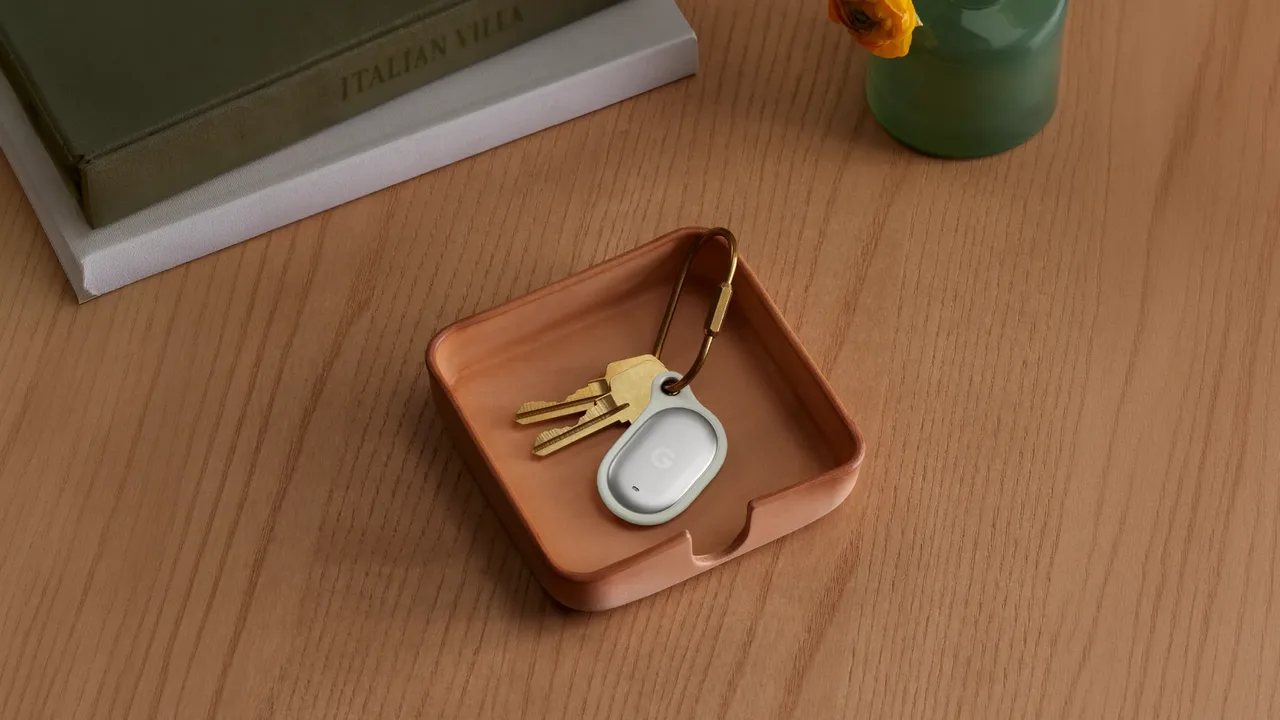
If you’re an Android user who keeps losing your keys, Google now has its own answer to the AirTag. Pixel Tag is a small finder tag that shows your things on a map in Google’s Find Hub app.
Google’s Australian store lists it from A$49 for one, or A$169.99 for a four-pack, which is about A$42.50 a tag. When we checked on 11 November, the page still said “Coming November 2026” and offered “Get notified” rather than a buy button.
On sale in the US, coming here this month
Google’s November Pixel Drop post says Pixel Tag is available from 11 November, at $29.99 for one or $99.99 for four. Those match Google’s US store. Google hasn’t given an Australian on-sale date beyond November.
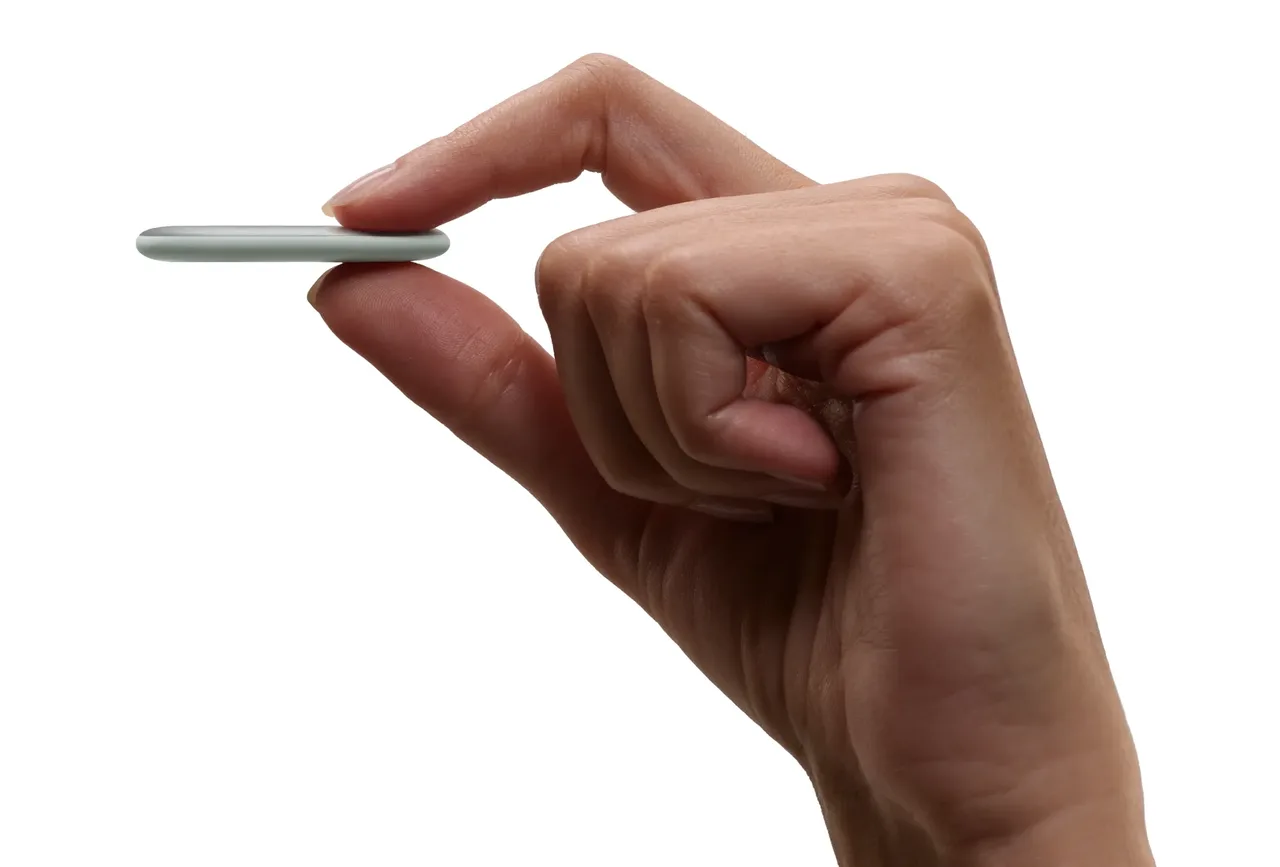
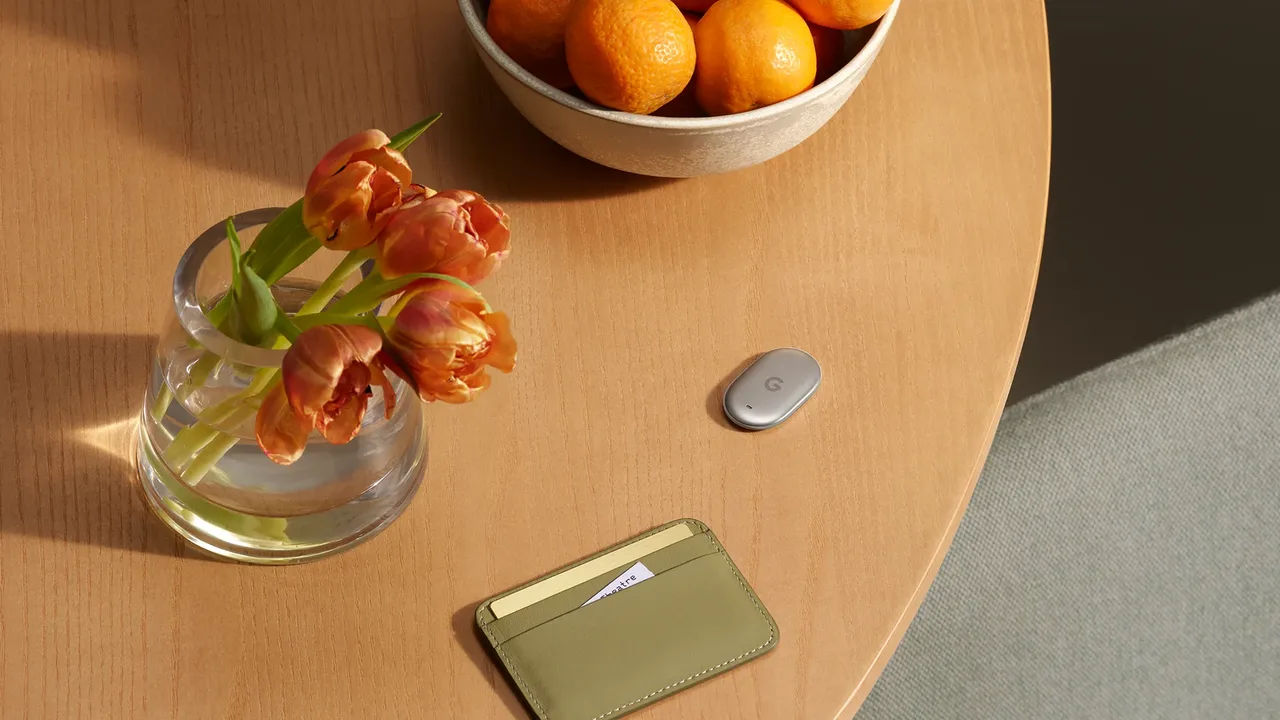
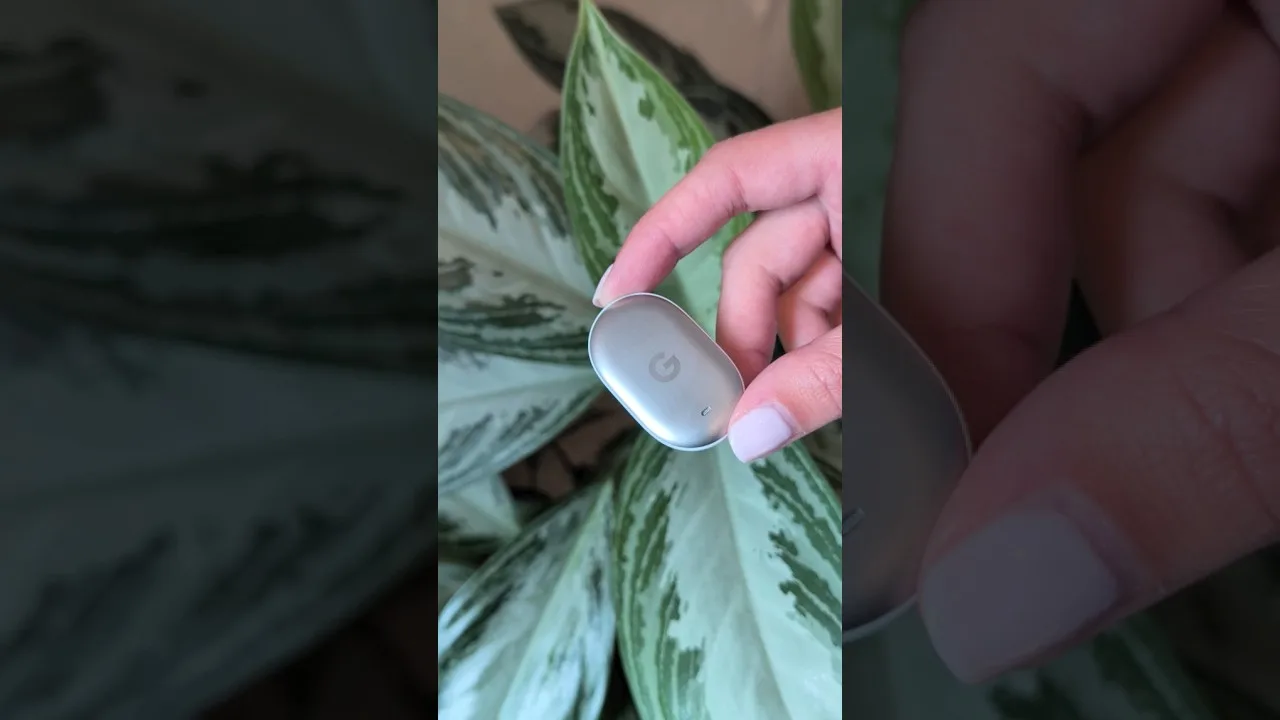
It comes in one colour, which Google calls Fog. It’s 46.1 mm long, 28 mm wide and 5 mm thick, and weighs 11.8 g with its battery.
Android only, and best on newer phones
Pixel Tag needs an Android phone. Google’s launch post says it must run Android 9 or later and support Bluetooth 6.0 or later; the Australian store page mentions only Android 9. Google lists no iPhone support, so it isn’t one for Apple households.
Setting it up is quick. You pull the battery tab, hold the tag near your phone and follow the pairing prompt. Then you name it in the Find Hub app, either by picking a category or typing your own label.
From there, Find Hub shows where the tag is on a map. Within Bluetooth range, you can make it play a sound.
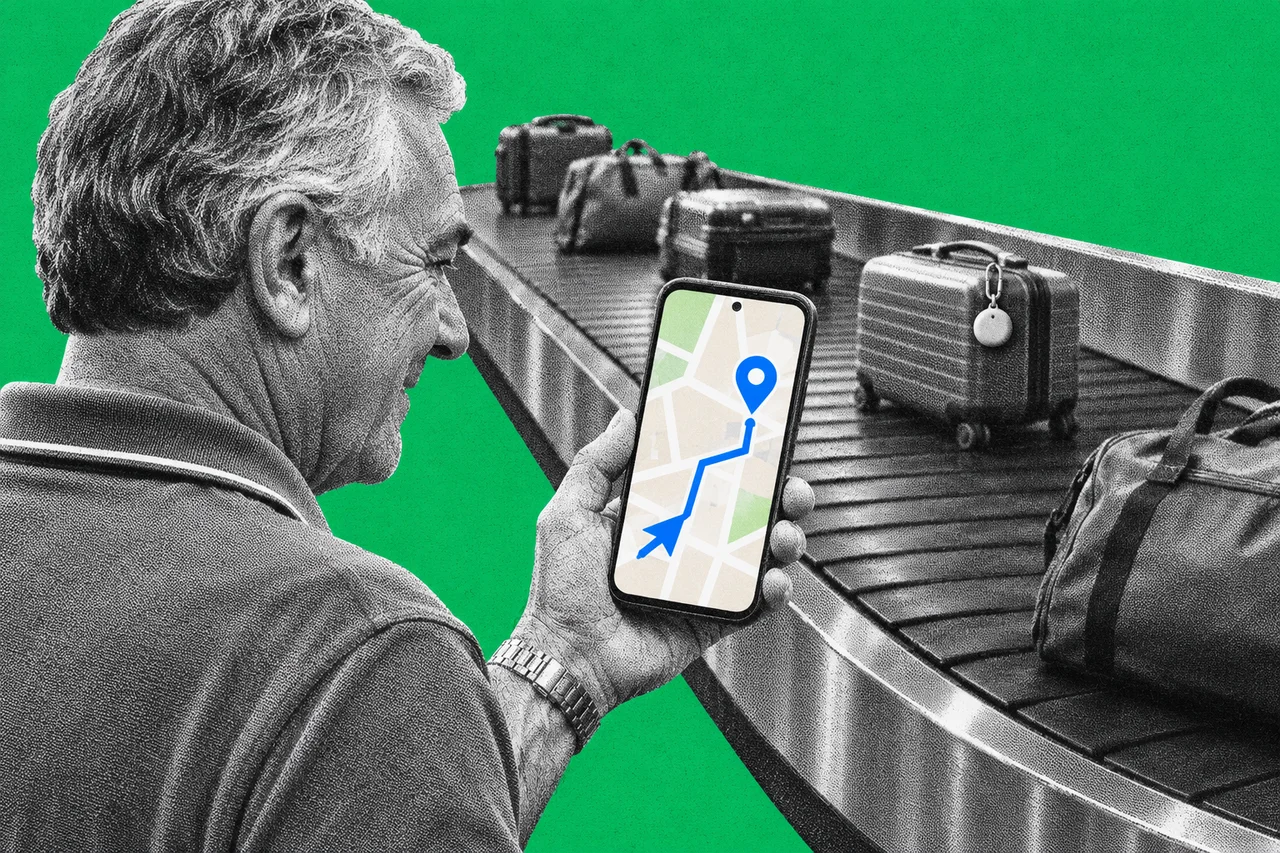
The clever part is precision finding. It gives on-screen distance and direction cues, which Google says helps with keys stuck between couch cushions. It uses Ultra-Wideband, so it needs an Android phone with Ultra-Wideband built in.
Lost in the next suburb
When the tag is out of range, Find Hub uses a network of more than a billion Android devices to locate it. Google says the location information is end-to-end encrypted.
You can share one tag with up to 10 people, which suits a shared car key or a family suitcase. Optional Left Behind alerts warn you if you walk away without it. It also works in reverse: press the tag’s button to ring your phone.
Pixel owners get a few extras. You can find and ring the tag from a Pixel Watch, or ask Gemini to ring it through Pixel Buds.
Built to be tracked, not to track you
Tracker tags can be misused to follow people. Google says your phone will automatically alert you if it detects an unknown tag travelling with you. It also tells you how to ring the tag to find it.
Battery and toughness
The tag runs on a CR2032 coin cell that you can replace yourself. Google’s store says it lasts over a year, while its launch post says up to a year, so plan on about 12 months.
It’s rated IP67, which covers dust and up to 1 metre of water for 30 minutes. Google’s launch post says it isn’t waterproof, and the protection wears off over time, so don’t count on it surviving a swim.
Should you buy one?
If you have an Android phone and keep misplacing things, Pixel Tag is Google’s own option, with Find Hub built in. If your phone has Ultra-Wideband, you’ll get the full pointer experience. If you use an iPhone, it doesn’t list support for you.
Setting up a new Android phone for work as well? Our eight Android settings to change first cover Find Hub and other security basics.
Checklist
- Check your phone qualifies. Google says Pixel Tag needs Android 9 or later and Bluetooth 6.0 or later; your phone maker’s spec page lists both.
- Check for Ultra-Wideband. The arrow-style precision finding needs a phone with Ultra-Wideband; look for UWB on your phone maker’s spec page.
- Compare the Australian price. The Google Store lists A$49 for one or A$169.99 for four, about A$42.50 a tag.
- Turn on Left Behind alerts. After pairing, switch them on in Find Hub for things you carry daily, such as keys or a wallet.
- Share tags on shared items. Add up to 10 people to a tag on a shared car key or family suitcase.
- Keep a spare CR2032 battery. The coin cell lasts about a year and you can change it yourself.
Tick items as you go. Your ticks stay in this browser.