MPs want big AI labs audited and made to report incidents
A parliamentary committee has made 46 recommendations on AI, from incident reporting and audits of frontier labs to deepfake labels, copyright and jobs.
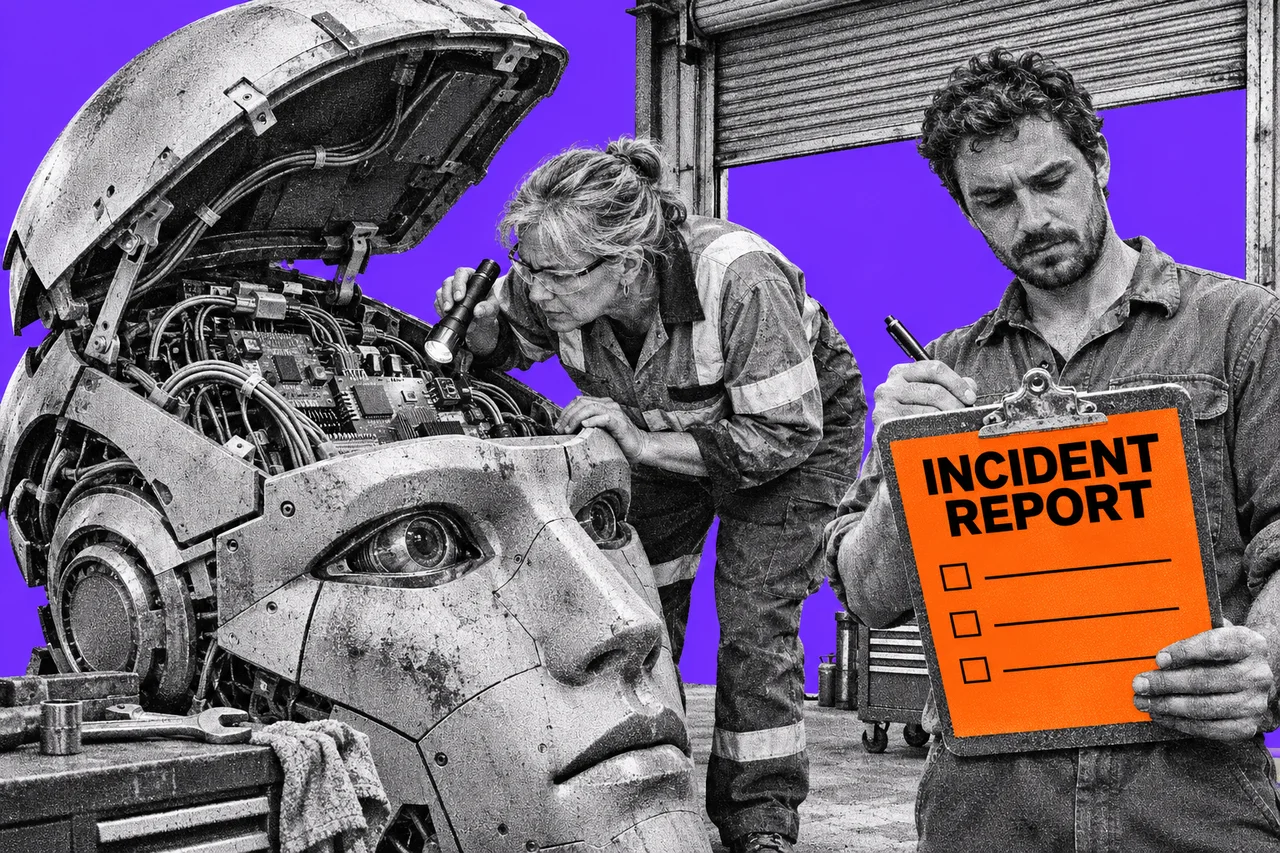
The AI tools you use at work and at home could come with more Australian oversight, if a parliamentary committee gets its way.
Parliament’s Joint Select Committee on Artificial Intelligence has published its report, Artificial Intelligence – the Australian way. It makes 46 recommendations. They range from safety checks on the biggest AI labs to deepfake labels, copyright payments and jobs.
The committee was set up in August and received 592 public submissions. Labor MP Jo Briskey chairs it, and Liberal Senator Jonathon Duniam is deputy chair.
Audits and incident reports for the biggest labs
The core of the report is about frontier labs, the companies that build the most powerful AI models.
The committee wants a “proportionate, risk-based framework” for how AI is built and used. It would cover safety testing, cybersecurity, transparency, human oversight and monitoring, backed by compliance checks and penalties.
Frontier labs would have to watch for risks and report incidents to government on clear deadlines. Labs operating in Australia would face mandatory independent evaluation and audits. When frontier labs train models here, agencies such as the Australian Signals Directorate and the Australian AI Safety Institute would get early access to them. The report says these safeguards should apply to any company selling AI services in Australia.
It also wants more funding for the AI Safety Institute, and a permanent parliamentary committee on AI.
Deepfakes, your face and AI agents
Several recommendations reach into everyday use. The committee asks the government to consider:
- requiring machine-readable labels on AI-generated or materially altered photos, video and voice
- giving people rights over their own face, voice and likeness
- looking at chatbots that give mental health, legal or financial advice, and at harms from children’s use of chatbots.
Going further, it wants legal frameworks that hold people and companies accountable when their AI agents act for them. A separate parliamentary committee should examine banning deepfakes in political advertising.
Copyright, jobs and data centres
For creators, the report wants stronger copyright protection. It also wants easier ways to get paid when AI companies use their work, and transparency about what models are trained on.
For workers, it calls for early and genuine consultation where AI affects jobs, plus investment in skills and AI literacy. The government should keep examining AI-driven workplace monitoring and automated decisions.
The report also wants a licensing framework for AI infrastructure such as data centres, enforcing new standards on energy, water and planning. It doesn’t propose licences for businesses that use AI.
Not everyone signed up to all of it
Independent Senator David Pocock wrote a dissenting report with 20 recommendations of his own. They include a National AI Safety Act, a 5% levy on data centre revenue and a mandatory AI labelling law. Labor and Coalition members added separate comments disagreeing on how data centres should get their power.
What happens next
None of this is law yet. Committee reports are advice to the government, which isn’t bound to accept them.
The government is already moving on part of it. On 10 November it announced mandatory safety rules for frontier AI companies and a new AI safety regulator. We covered that in our story on Australia’s planned AI safety rules. The committee says much of its interim advice was considered in that announcement. It wants its safety recommendations to shape the legislation.
The committee itself carries on. Both houses agreed on 23 November to extend it until 1 March 2027.