Google’s Fitbit Edge is A$269 in Australia. The coaching costs extra after three months
Google’s Fitbit Edge tracker is on pre-order in Australia for A$269. Its Gemini coaching needs Google Health Premium, which renews at A$14.99 a month.
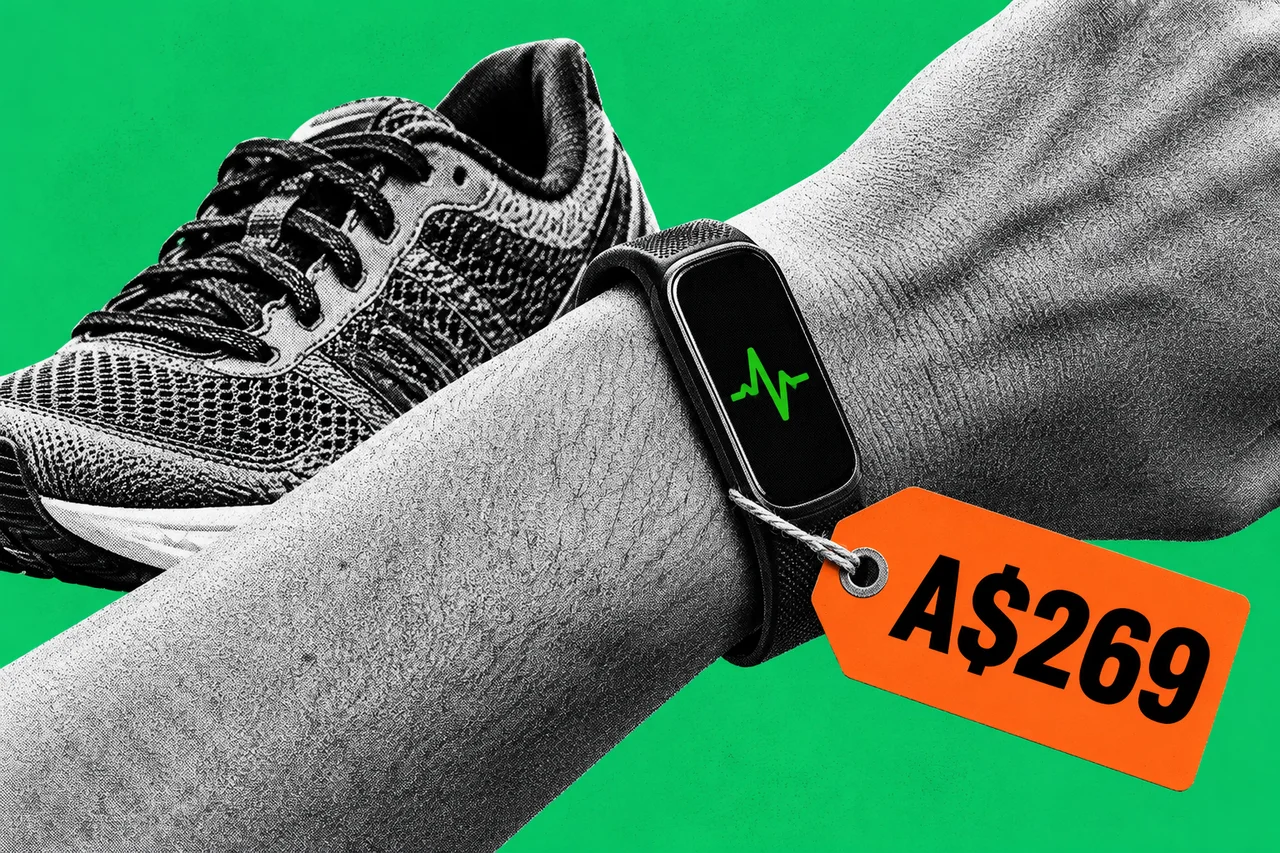
Google has a new fitness tracker, and it is already on the Australian Google Store. The Google Fitbit Edge is listed for pre-order at A$269, with free delivery. It is a slim band with a colour screen, pitched between the screenless Fitbit Air and the Pixel Watch 5.
The sticker price is only part of the cost. The feature Google leads with, a personal coach built with Gemini, needs a paid membership once a three-month offer ends. Some health features also depend on the country you are in. Both are worth checking before you order.
What Google announced
Google announced the Fitbit Edge on 12 October at US$179.99, and said it would be in shops on 27 October. The announcement does not list countries. The Australian store showed the tracker as a pre-order when we checked on 13 October, and we did not find an Australian delivery date on the page.
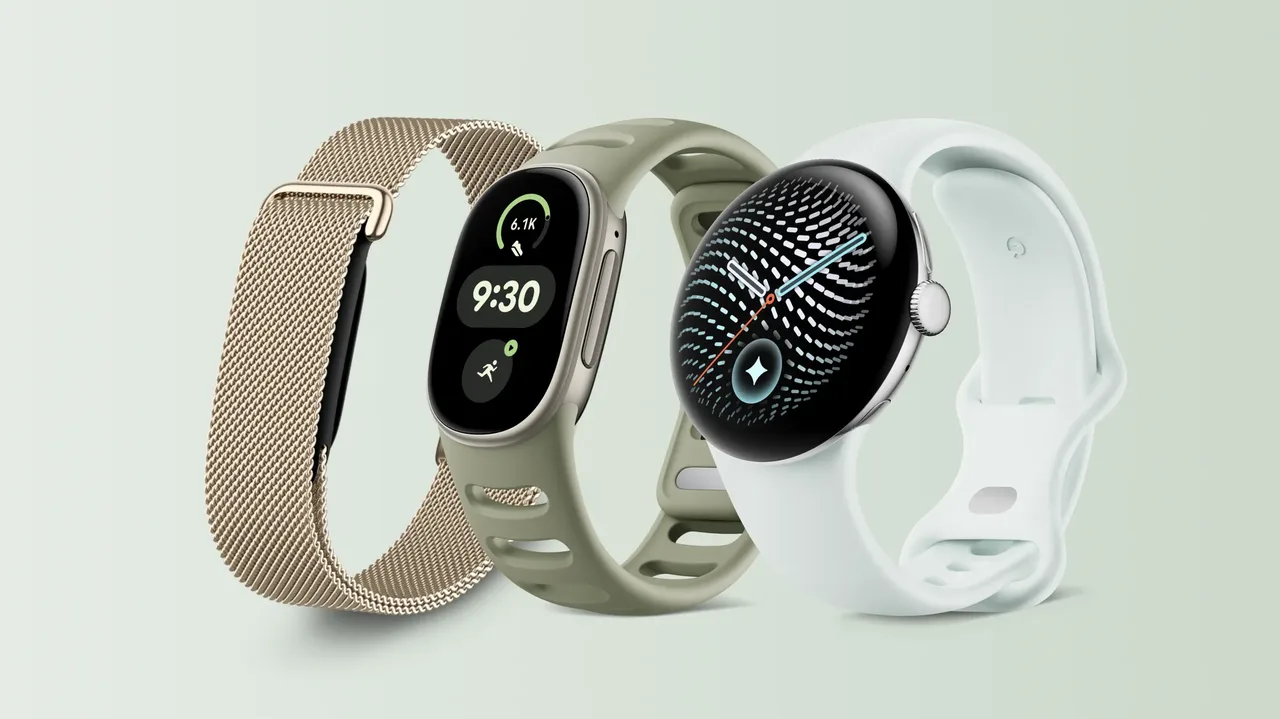
The Australian store lists four colour combinations: a matte black case with an Obsidian band, silver with Fog, satin pyrite with Olive, and champagne gold with Canyon. Google also announced a Stephen Curry Special Edition at US$219.99. The Australian product page showed no price for it when we checked.
What you get for A$269
The Australian specifications list a 1.34-inch AMOLED colour screen with an always-on option, a case that weighs 17.7 grams without the band, and a mechanical side button. It has built-in GPS and an altimeter for tracking climbs, so it can map an outdoor run or ride without leaning on the phone’s GPS.
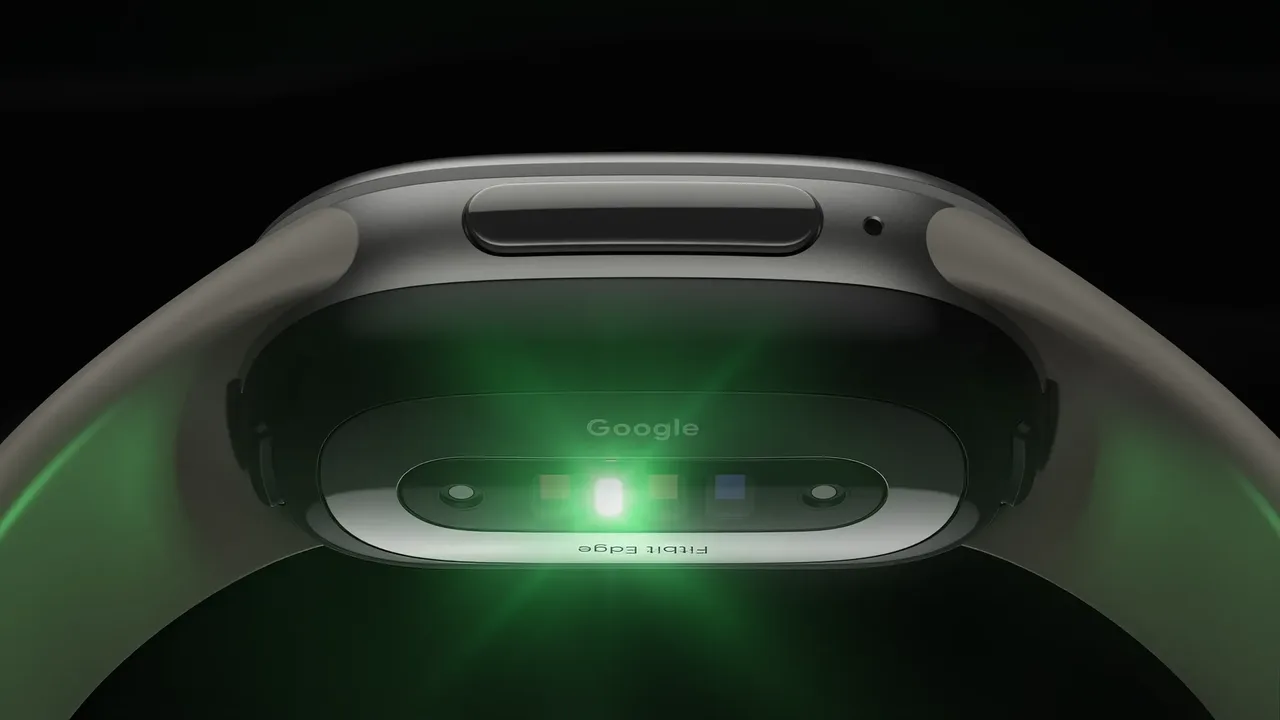
The sensor list covers heart rate, blood oxygen (SpO2), skin temperature and electrical sensors for an ECG app. Water resistance is rated at 5 ATM and IP68. The box holds the tracker, small and large Active Bands and a USB-C fast-charging cable. Google’s announcement says a 30W adapter is sold separately.
One detail differs between the two Google pages. The US announcement says more than 50 exercise modes; the Australian specifications say 40+. We have used the Australian figure.
The tracker works with most phones running Android 11 or newer, or iOS 16.4 or newer. You need a Google Account and the Google Health app, which is the renamed Fitbit app. Google says the device is intended for people aged 13 and over.
The coaching is a subscription
Google Health Coach builds and adjusts workout plans, explains changes in your sleep and health numbers, and answers questions. Google’s store says it requires a Google Health Premium subscription, sold separately.
The Australian store says eligible new and returning users get three months of Premium with the tracker. Its terms say the offer needs a valid payment method and renews at A$14.99 a month after the trial, and that you can cancel at any time. At that price a full year of Premium costs about A$180, on our calculation, which is two-thirds of the tracker’s price again. You must be over 18 to enrol.
Without Premium, the Google Health app still shows activity, sleep stages and scores, heart rate, SpO2, skin temperature and cycle tracking, according to the store’s comparison. Blood pressure trends and insulin resistance trends sit in the Premium column as “Advanced Health Guardian features”.
Google’s own footnote on the coach is worth repeating: “Check responses for accuracy. Not intended as medical advice.”
Health features depend on where you live
The Australian pages carry several regional cautions. The ECG app “is only available in select countries” and is not intended for people under 22. Health Guardian features vary “by region/country and device”. SpO2, skin temperature and irregular-rhythm notifications are each marked as not available in all countries. The Australian product page also marks its Health Guardian section “Coming soon”, without a date. The pages we read do not list which features are switched on in Australia, so confirm the specific one you want with Google before buying.
Google also says blood pressure and insulin resistance trends are for general wellness, are not screening tools for hypertension or diabetes, should not be used to adjust medication, and are not for use by people who are pregnant. The Australian page marked turn-by-turn Google Maps directions on the wrist as “coming soon”.
Battery and repair
Google estimates up to seven days of battery life, a full charge in about 90 minutes, and up to a day of use from five minutes on the charger when the battery is low. Its announcement bases the fast-charging figure on a 30W adapter, which is not in the box, and says results may be slower. Its footnotes call the seven-day figure approximate. They say it comes from testing pre-production devices on default settings, that continuous GPS use shortens it, and that actual battery life may be lower.
Google calls the Edge its first Fitbit “built with repair in mind” and says the battery can be replaced. The fine print says repair options may vary by region, so ask what is offered in Australia if a long service life is the reason you are buying. We raised similar questions about Australian pricing and local differences when Googlebook laptops arrived on the same store.
Checklist
- Check your phone first. Confirm it runs Android 11 or newer, or iOS 16.4 or newer, and that you are happy to use a Google Account and the Google Health app.
- Confirm the health feature you want works in Australia. Ask Google about ECG, SpO2, skin temperature or irregular-rhythm notifications before ordering, because each is limited by country, and ask when Health Guardian trends arrive, because the Australian page marks them as coming soon.
- Decide whether you will pay for coaching. Google Health Coach needs Google Health Premium, which renews at A$14.99 a month after the three-month offer.
- Set a cancellation reminder. If you take the three-month Premium offer, set a reminder before the three months end; it renews at A$14.99 a month unless cancelled.
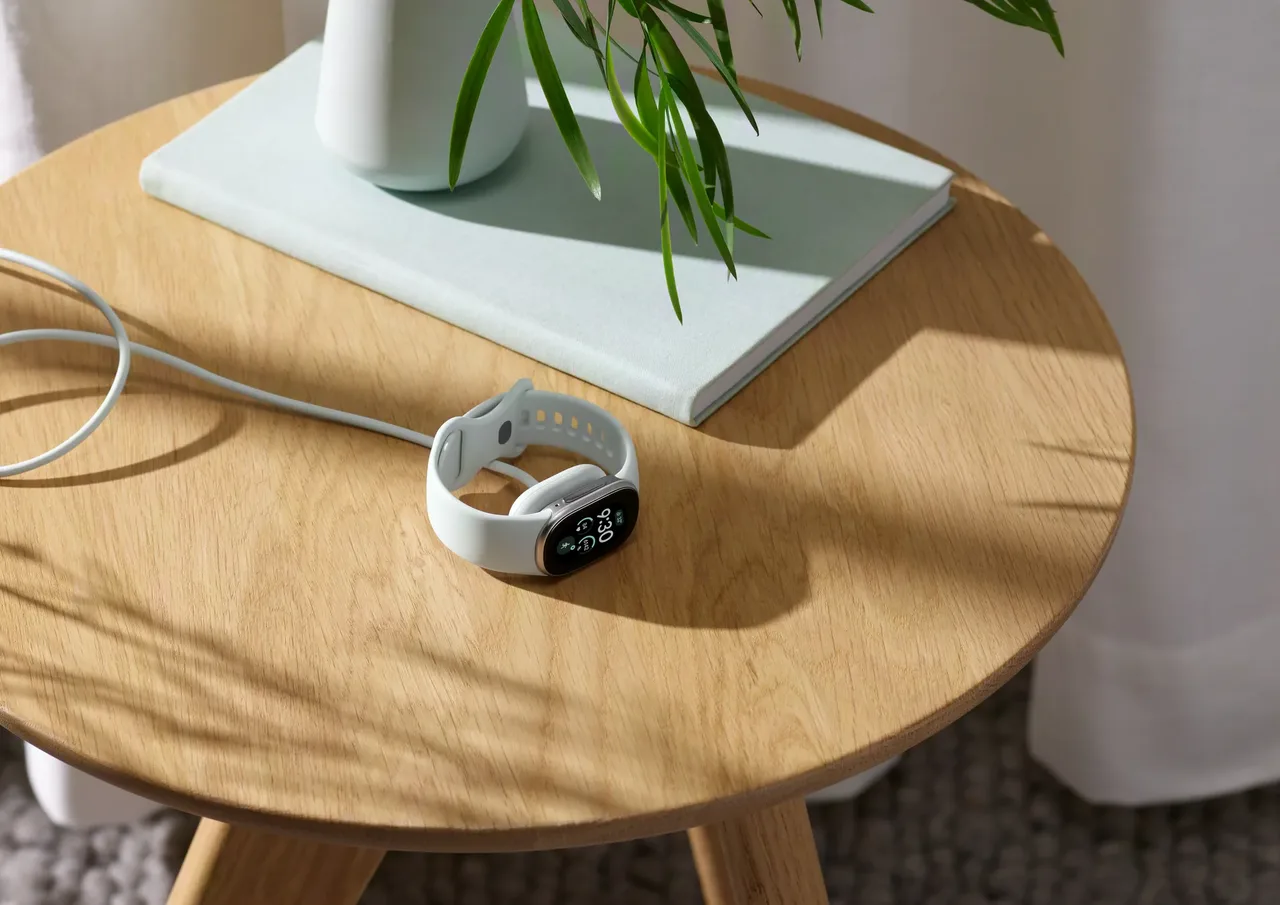
- Budget for a charger. The box includes a USB-C fast-charging cable but no power adapter; Google’s charging figures assume a 30W adapter, sold separately.
- Ask about battery replacement. Google says repair options vary by region, so check what is available in Australia.
- Treat health readings as general information. Google says its blood pressure and insulin resistance trends are for general wellness, not a substitute for professional medical advice; take concerns to your doctor.
Tick items as you go. Your ticks stay in this browser.