
Betting ads online will need a login and an opt-out from 1 January
From 1 January, apps, streaming services, social media and websites can only show betting ads to logged-in, age-checked adults who can opt out. The ACMA has explained what it expects.
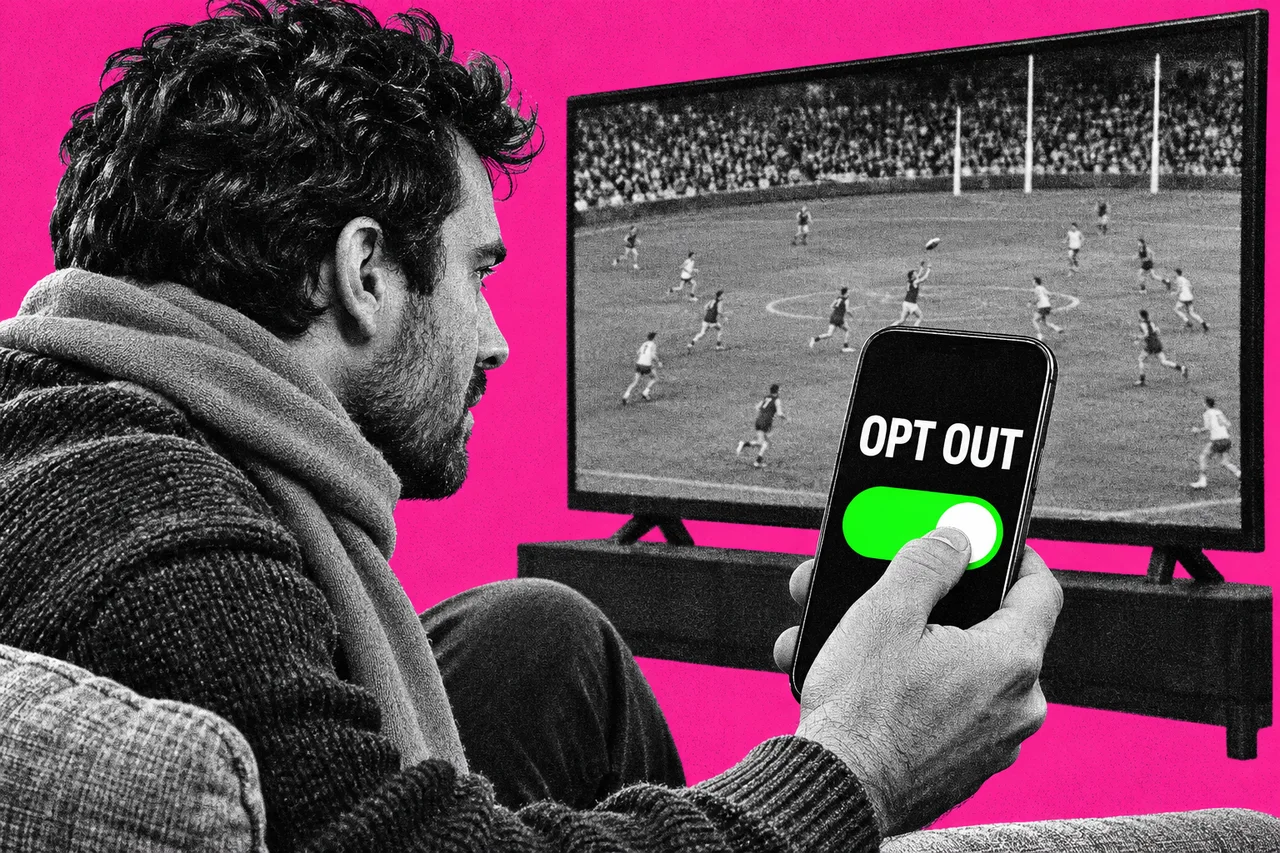
From 1 January, if you’re scrolling a website or watching a streaming app without logging in, most of them should stop showing you betting ads. Online services in Australia will only be allowed to show them to logged-in, age-checked adults who can switch them off.
It’s the law now. The Interactive Gambling Amendment (Gambling Reform) Act 2026 passed in August and most of it starts on 1 January 2027. This month the Australian Communications and Media Authority (ACMA) published its initial guidance on how online services can comply.
Banned by default, with one way out
The Act starts from a ban. An online service must not show wagering ads in Australia.
The exception is what the ACMA calls the “triple lock”. A service can show betting ads only if it takes reasonable steps to do all three of these:
- keep the ads away from anyone under 18 or whose age hasn’t been confirmed
- make sure people seeing them are logged in to a registered account
- let account holders opt out.
The ACMA gives a simple example. A website with a free public area and a members-only area could show betting ads only in the logged-in part.
It’s not just the streaming apps
The rule covers far more than TV catch-up apps. The ACMA lists on-demand video, social media, email, messaging, online multiplayer games and other websites and apps.
Advertisers are on the hook too. Anyone who authorises or causes an ad to run in breach is liable. There’s a defence if they reasonably satisfied themselves that the platform meets the triple lock.
Every ad shown in breach counts as a separate contravention.
A betting company’s own website and app are exempt. Its social media pages aren’t, the ACMA says. News, current affairs and documentaries are exempt where the public interest outweighs the harm and nobody receives a benefit from a betting company.
What the ACMA will look for
There’s no one-size-fits-all approach, the ACMA says. It will weigh a service’s size, risk profile and resources. Services should document their risk assessment, because the burden is on them to show they took reasonable steps.
Age checks. Services can’t rely only on government ID or Digital ID; they must offer a reasonable alternative. The guidance names inference, estimation and verification as age-check methods, and encourages layering more than one. It expects kids’ profiles to show no betting ads at all.
Opting out. The opt-out has to be clear, simple and easy to find. It should use the words “gambling advertising” or “wagering advertising”. It shouldn’t be buried in fine print, bundled with other purposes or tied to one device. Users should be reminded of it at least once a year.
A service without an opt-out in place on 1 January can’t show betting ads at all. Records must be kept for 12 months.
A national opt-out register will come later, on a date the government hasn’t set. Services will then have to check it at least every 14 days.
Sport, TV and influencers
The same law changes betting ads elsewhere. The Minister called it the strongest set of gambling reforms yet when it passed in August. Among the changes:
- Live sport. Between 5am and 8:30pm, no betting ads from 15 minutes before a game until five minutes after it ends. That applies on TV, radio and online. Later at night, none during play itself.
- TV. No more than three betting ads an hour per channel between 5am and 8:30pm.
- Radio. None between 8am and 9am or 3pm and 4pm on school days.
- Uniforms and grounds. No betting logos on players’ uniforms or at venues. Deals made before the law was introduced can run until the end of 2031 if they aren’t extended or expanded.
- Famous faces. From 1 January 2027, betting ads can’t feature athletes, celebrities or influencers, whenever the deal was signed. Betting companies also can’t sign new deals for them. The ACMA’s notable persons guidance says the betting company carries the liability, not the person.
It isn’t the only new duty heading for apps and websites. Our story on the Digital Duty of Care bill explains another.
Checklist
- Find out if your site or app shows betting ads. Check your ad network settings and direct deals for wagering advertisers before 1 January 2027.
- Turn betting ads off if you can’t meet the triple lock. Unless another exception applies, a service without logins, age checks and an opt-out can’t show them to anyone from 1 January.
- Build an opt-out that says “gambling advertising” or “wagering advertising”. If you keep betting ads, put the switch somewhere easy to find, tie it to the account and remind users of it every year.
- Offer an age check that isn’t only government ID. The law requires a reasonable alternative to government ID and Digital ID.
- Write down your risk assessment. The ACMA expects services to show the reasonable steps they took, and to keep records for 12 months.
- Advertisers: get evidence from each platform. Ask how it meets the triple lock before booking betting ads, so you can rely on the due-diligence defence.
- Betting brands: pull ads featuring famous faces. From 1 January 2027, betting ads can’t feature athletes, celebrities or influencers, whatever the contract date.
Tick items as you go. Your ticks stay in this browser.