Buying and selling scams are six in 10 scam-loss reports to Scamwatch
Scams on buyers and sellers, from fake shops to fake ‘item sold’ messages, made up 58.7% of Scamwatch loss reports this year. Here’s what they look like.
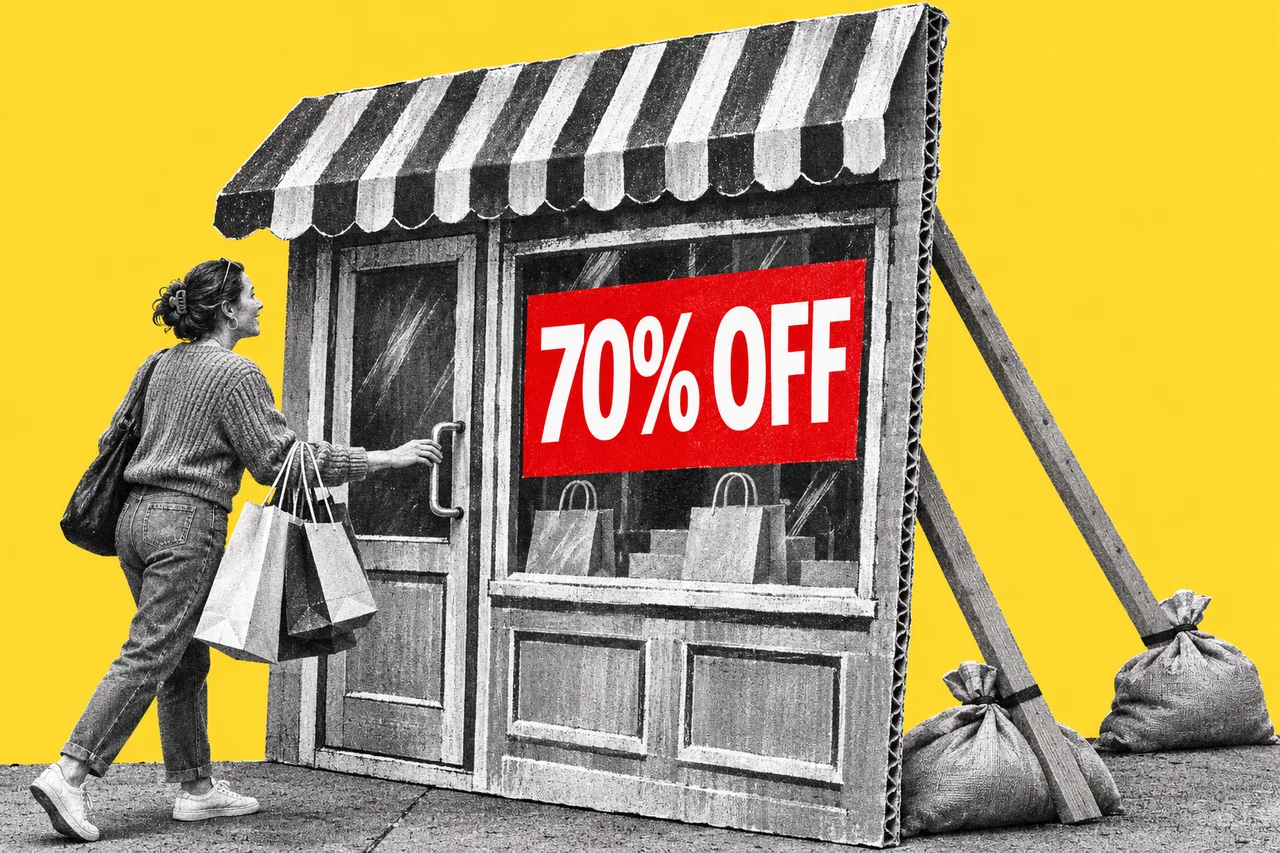
That bargain online might be the scam. Most people who reported losing money to Scamwatch this year were caught buying or selling something.
The National Anti-Scam Centre published the figures on Scamwatch on 3 November. Buying and selling scams made up 58.7% of reports involving a financial loss from January to September 2026.
That’s 11,537 people who reported losing money, with $17.2 million gone in total. Investment scams still cost far more in dollars ($130.7 million). But buying and selling scams are the ones most likely to catch you, and the busiest shopping weeks of the year are about to start.
The shop looks real because it was built to
The centre’s update describes scams built to feel like ordinary purchases.
Fake car yards. Vehicle-sales websites showed Australian addresses, phone numbers and ABNs, a large range of cars and nationwide delivery. One appeared to copy a genuine business, using photos and details of cars that had already been sold. Low prices and limited-time offers rushed buyers along. Professional-looking invoices and contracts made the bank transfer feel normal, for a car that would never arrive.
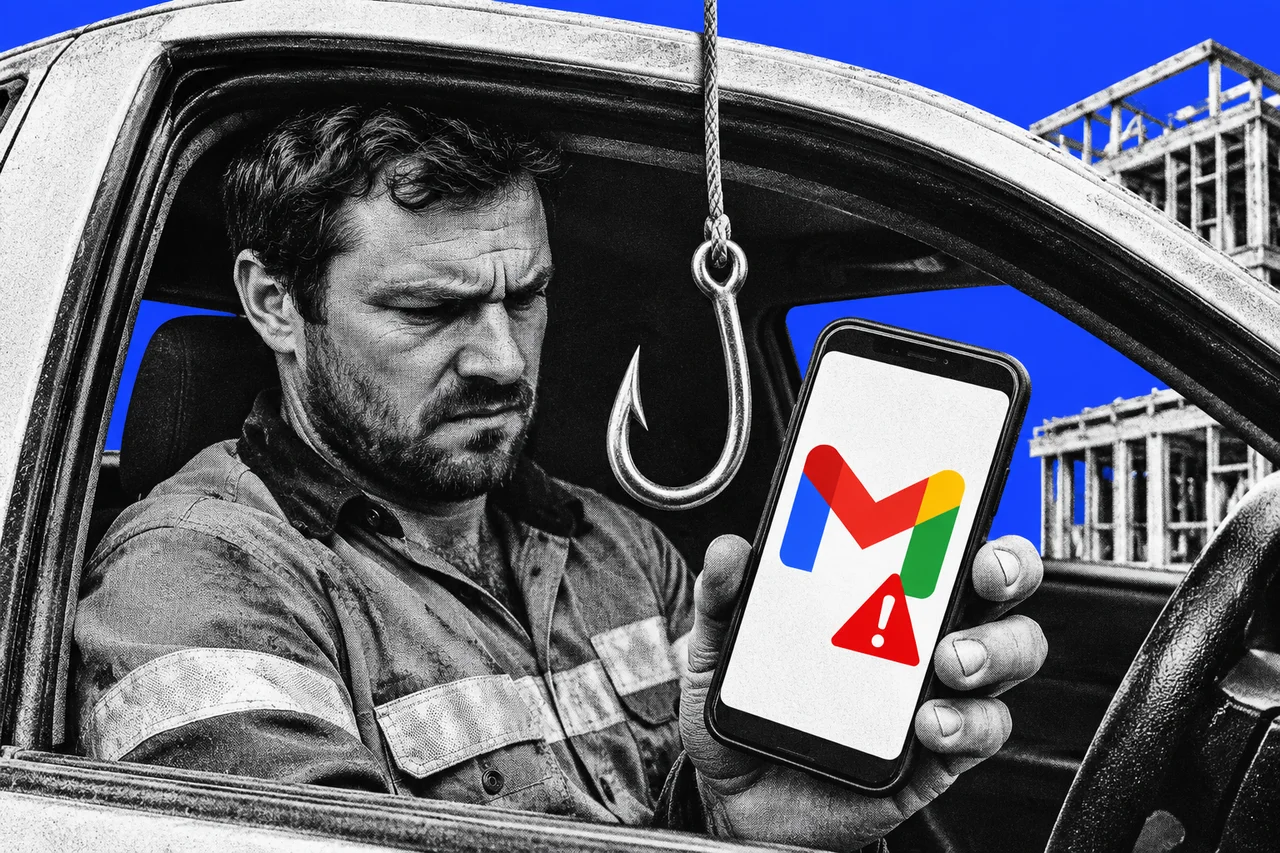
Fake “your item has sold” messages. People selling on the marketplace Vinted were told their item had sold. To get paid, they were asked to follow a link and “verify” their account. The pages copied the marketplace, payment services and sometimes the seller’s own bank. They were after banking logins, security codes or ID documents. In one report, $1,800 was taken from a seller’s account. In another, a scammer-run chatbot said verification was still under way and asked for more than one bank account.
Fake concert tickets. Offers for Olivia Dean and Bruno Mars shows started on Facebook and TikTok and often moved to WhatsApp. Scammers name-dropped familiar ticketing outlets, then asked for extra “transfer”, “authorisation” or “name-change” fees.
AI makes the fake shop cheap to build
AI is making shopping scams “cheaper, faster and more convincing”. Scammers use it to generate product photos, build polished websites and write convincing stories about products and sellers. Add a copied business name and logo, and a fake retailer can look credible next to real ones.
The warning is blunt: “A familiar logo, an ABN and a convincing payment screen can all be part of the disguise.” Getting caught is not a sign you missed the obvious. It reflects how good scammers’ tools have become.
That matters if you run a shop, too. These scams can damage the reputation of the business being impersonated.
So far this year, the centre has taken down 20,353 scam websites, many posing as online shops. Black Friday and holiday sales are close. Fake shopfronts lean on big discounts and “limited time” sales to make people buy before they check. For the countdown-timer rules real retailers must follow, see our story on the ACCC’s Black Friday warning.
What Scamwatch says to look for
Scamwatch’s guide to buying and selling scams lists the warning signs:
- a price that seems unbelievably low
- no terms and conditions, ABN or privacy policy on the website
- a request to pay by money order, a pre-loaded card, or to several different PayIDs or accounts
- an account name that doesn’t match the business you think you’re paying.
Sellers should watch for a buyer happy to pay for something expensive without seeing it. Another sign is a buyer who overpays and asks for the difference back.
The rest of the numbers
Scamwatch received 138,392 reports from January to September, 13% fewer than a year earlier. Reported losses fell 3% to $250.4 million.
Online channels accounted for 45% of losses, or $113.4 million. More than half of people who reported losing money said the first contact came online, through fake websites, ads, social media or apps.
Phishing losses fell to $13.9 million, from $25.6 million. Email has overtaken phone calls and texts as the most reported way phishing starts. The centre says SMS reports and losses fell significantly, possibly because of the SMS Sender ID Register.
Scamwatch isn’t the full picture. Counting police reports through ReportCyber as well, Australians made 184,317 reports this year and reported losing $684 million.
Checklist
- Go to the shop yourself. Type the retailer’s web address rather than following an ad, social post or message.
- Pause when a site rushes you. Big discounts, countdown timers and pressure to pay immediately are reasons to check the seller first.
- Read the web address letter by letter. Look for extra dashes or symbols, or a name that imitates a real business, such as Ap9le.
- Look up the ABN. Check it on the ABN Lookup service at business.gov.au, and remember a real ABN can be copied by a fake shop.
- Match the payee name. When paying by PayID or bank transfer, make sure the account name matches the business or person you think you’re paying.
- See big-ticket items first. Don’t pay for a car, caravan or boat before inspecting it in person.
- Keep sales on the platform. If you’re selling, keep messages and payment inside the marketplace, and don’t follow a link to “verify” your account to get paid.
- If you’ve paid or shared bank details, call your bank now. Change any passwords you gave away, turn on multi-factor authentication, report it at scamwatch.gov.au or reportcyber.gov.au, and contact IDCARE if you need help with your identity.
Tick items as you go. Your ticks stay in this browser.