Meta has removed ‘train’ from its new business terms. Its crawling permission stays
Meta has removed the word ‘train’ from the crawling clause in its new Commercial Terms. The crawl permission still starts on 30 October, for ads, business products and integrity.
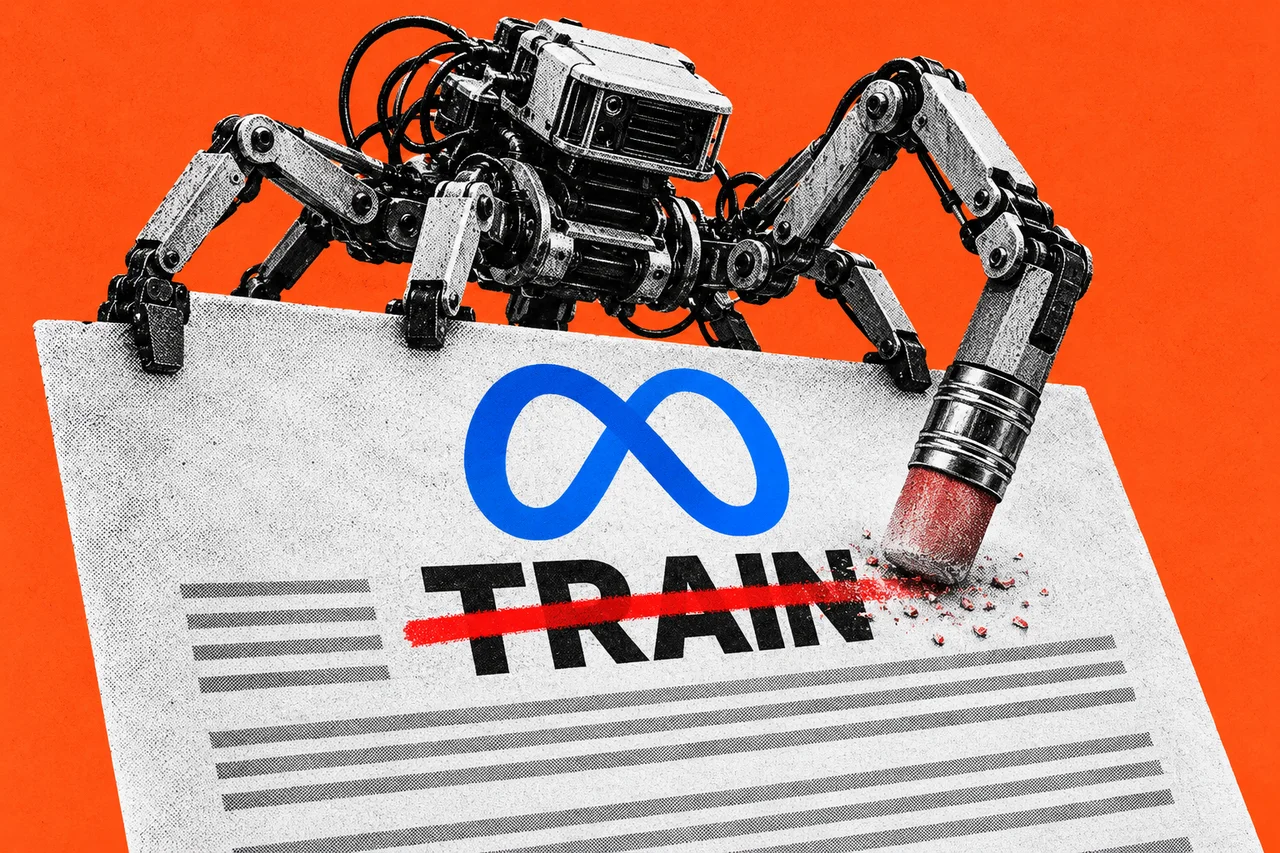
Meta has removed the wording in its new Commercial Terms that would have let it use content from businesses’ websites to train its products. The permission to crawl those websites stays in, but it is now tied to Meta’s advertising and business products. The updated terms still take effect on 30 October 2026.
We reported the original clause on 17 October. It applies to anyone who uses Meta’s products for business, including running ads, managing a Page, listing products or using Ads Manager or Meta Business Suite. That story explains who the terms cover and how they apply in Australia. This one covers what Meta has changed since.
What Meta changed
The Verge reported on 17 October (US time) that this sentence no longer appears in the updated terms: “Meta may use any content from such domains, web pages, or URLs to provide, develop, improve, research, train, and maintain the integrity of, the Meta Company Products, services, and features provided under these Commercial Terms and any other applicable supplemental terms.”
When we checked Meta’s preview of the updated terms on 18 October (we quote the US-English version; Meta’s Australian-English page uses local spelling), the crawling permission had been folded into one longer sentence. You still “authorize” Meta, or anyone acting for it, to use automated software such as “web scrapers, bots, robots, spiders, crawlers, and user agents” and to “create test credentials” to crawl the domains, web pages or URLs “associated with your products or services”, or made available through your or users’ use of Meta’s products. Meta can still periodically pull updates from those pages.
What has changed is the purpose. The crawling is now “in order to provide, develop, improve, research, and maintain advertising and business products”, which the terms say includes products that help you create and deliver ads, give users information about your products and services, and connect you with interested users, as well as to “maintain the integrity and security of Meta Company Products”. The word “train” no longer appears in the updated terms, and the broad purpose of developing all of Meta’s products, services and features has narrowed to advertising and business products, plus integrity and security.
The page still carries a banner saying the updates come into effect on 30 October 2026.
What Meta says
Meta spokesperson Daniel Roberts told The Verge: “We’ve heard you and want to clarify: the crawling terms we consolidated only applied to our ads and business products, and we’ve clarified that in the terms themselves.” The statement adds that the change does not alter how Meta uses web crawlers, that content owners can still use robots.txt to signal their preferences, and that “these updates don’t give us new rights that supersede those preferences.”
TechCrunch reported the first part of the statement. Before the change, Meta’s Andy Stone and Daniel Roberts had told The Verge: “There is no change to how Meta uses web crawlers; any suggestion to the contrary is false.”
What this means for your business
On our reading, the change narrows what the clause is for rather than removing it. If you advertise, sell or manage a Page with Meta, you are still agreeing to let Meta’s software crawl the sites linked to your business, including with test credentials, and to keep checking them for updates.
Two points from our earlier story still stand. “Associated with your products or services” still isn’t defined. And the clause still doesn’t mention robots.txt or any other opt-out. The difference is that Meta’s public statement now says the updates give it no new rights that supersede robots.txt preferences, although that assurance sits in a statement rather than in the terms.
Which Meta crawler is which
Meta’s crawler documentation separates the jobs. It says Meta-ExternalAds crawls the web “for use cases such as improving advertising and other business-related products and services”, which, on our reading, matches the new wording of the clause. Meta-ExternalAgent crawls for uses “such as training foundation AI models or improving products by indexing content directly”. Meta says you can block a crawler by adding a disallow rule for it in robots.txt.
So if your concern was AI training, the rule to look at is the one for meta-externalagent, as before. Blocking meta-externalads is a separate decision. Meta’s documentation doesn’t say what blocking it would do to your ads, so if you block it, watch your ad results afterwards. If your site uses Cloudflare, its AI training controls can also publish a no-training instruction for you.
Checklist
- Reread the crawling clause. Open Meta’s preview of the Commercial Terms and read the revised crawling sentence before the terms take effect on 30 October 2026.
- List the sites linked to your business. Write down the domains your ads, Page, catalogue and shop point to, since the clause covers pages “associated with your products or services”.
- Check your robots.txt rule for meta-externalagent. Decide whether to disallow it; Meta’s documentation says it crawls for uses such as training foundation AI models.
- Decide separately on meta-externalads. Meta says it crawls for advertising and business products. If you block it, watch your ad delivery and results afterwards, since Meta’s documentation doesn’t say what blocking it does to ads.
- Tell clients if you are an agency. If you told clients Meta’s terms let it train on their websites, let them know the training wording has been removed but the crawling permission remains.
Tick items as you go. Your ticks stay in this browser.