Big tech faces 5% fines and lawsuits under online safety deal
A Labor–Greens deal would add fines of up to 5% of global revenue to the Digital Duty of Care bill. Users would also get a right to sue and a future ombudsman.
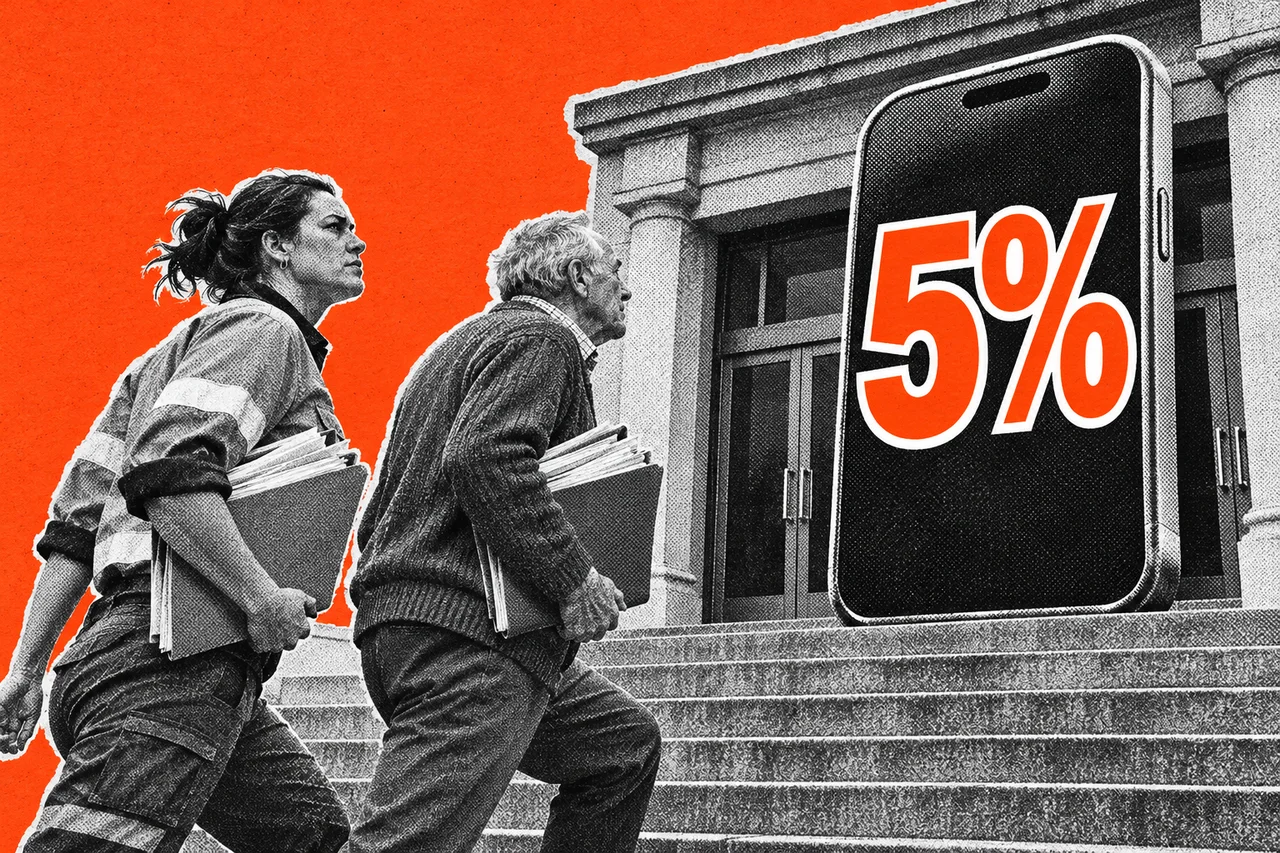
If a platform’s failure to keep you safe online hurts you, you may soon be able to take it to court. Big tech companies could also face fines of up to 5% of their global revenue.
Those are two of the changes the government agreed with the Greens to get its Digital Duty of Care bill through the Senate. Communications Minister Anika Wells announced the deal at a press conference on 24 November.
The bill makes online services take reasonable steps to keep Australian users safe. We covered the original version in our first story on the bill. On Monday the government also promised an exemption for small businesses.
From $109 million to billions
The bill as introduced in October set a maximum penalty of $109.2 million. Under the deal, Wells said, fines “will now be either $109 million here in Australian law, or up to five per cent of global revenue”.
The Greens call these “multi-billion dollar penalties” for the biggest platforms. They also say the 5% applies to each breach.
Wells said the figure sits between Canada’s 3% and the EU’s 6%. She also noted that courts overseas tend to set fines in proportion to what happened, well below the maximum.
A new right to sue
The deal would add a private right of action, giving “individual Australians, as well as groups of Australians, the right to sue digital platforms when they breach their duty of care”, in the minister’s words.
That matters because there is no such duty today. People who have tried to sue platforms have had to hang their case on another law, Wells said. This would give them a law of its own.
An ombudsman, eventually
The bill already required platforms to improve their internal complaint processes, with eSafety checking them. The deal would add a rule-making power for an external dispute resolution pathway. Asked if that meant a kind of ombudsman, Wells said “Yes.”
It won’t exist on day one. The power can only be used once the bill has passed, and the details will be set out in a legislative instrument. No start date or operator has been named. Complaints to the scheme and court action “will exist in parallel”, so you won’t have to try one before the other.
On [RN Breakfast], Wells said(https://minister.infrastructure.gov.au/wells/transcript/radio-national-sally-sara) a frequent complaint comes from small businesses and side hustles that get shut down by Meta and can’t reach anyone. The Telecommunications Industry Ombudsman welcomed the change. “People and small businesses have been crying out for someone independent to turn to when things go wrong online,” said Ombudsman Cynthia Gebert.
What else changes
The amendments also:
- strengthen privacy protections
- widen eSafety’s powers to remove nudify apps and sites
- make addictive features a specific risk platforms must assess.
When it starts
The government planned to pass the bill through both houses this week. Once it passes, there will be a 12-month transition before the duty applies, Wells said.
So nothing changes for users or businesses yet. If your account is shut down today, you still rely on the platform’s own appeal process.
Checklist
- Keep a record of platform problems. If Facebook, Instagram or another platform suspends your account or ignores a report, save screenshots, dates and any reference numbers.
- Use the platform’s own appeal process now. The external complaints scheme can only be set up after the Digital Duty of Care bill passes, and no start date has been named.
- Watch for the complaints scheme rules. The government will set out how the new external dispute resolution pathway works in a legislative instrument after the bill passes.
- Check the small business exemption if you run an online service. The government has promised a rule exempting small businesses from the duty, to be worked out after the bill passes.
Tick items as you go. Your ticks stay in this browser.