Lush is the first employer taken to court over below-award job ads
The Fair Work Ombudsman has taken Lush to court over two job ads it says listed rates below the retail award. What the ad law requires and how to check yours.
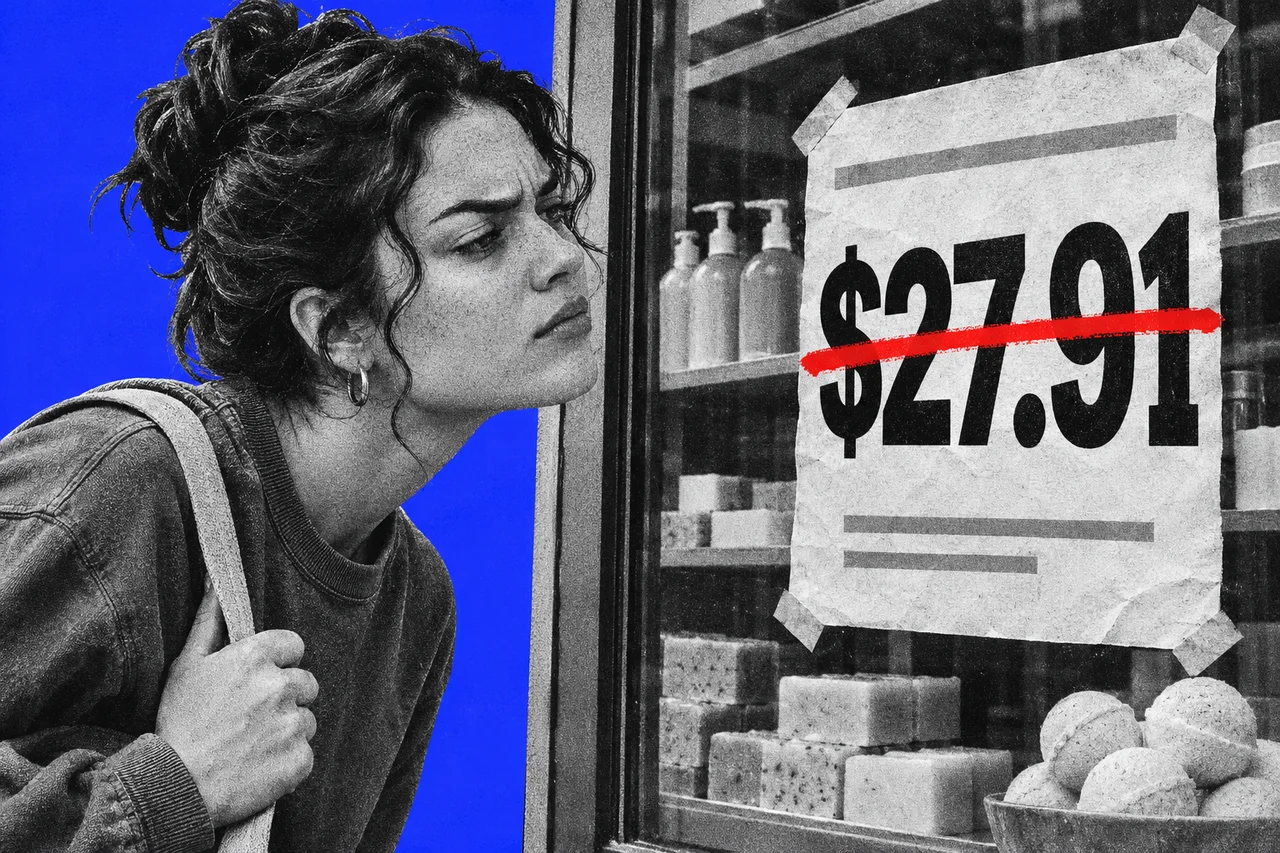
A low pay rate in a job ad has now put a business in court. The Fair Work Ombudsman has started its first legal case under the law banning ads that offer less than minimum pay. The employer is the operator of the Lush cosmetics chain.
The regulator announced the case on 17 November. Until now it has dealt with low-paying ads through infringement notices, which are fines.
What the Ombudsman alleges
The case is against Lush Australasia Retail Pty Limited, in the Federal Circuit and Family Court. Lush posted two ads on its own careers page in July and August. They were for seasonal casual sales assistants in Adelaide and at Fountain Gate shopping centre in Melbourne.
The Ombudsman alleges:
- the Adelaide ad listed $27.91 an hour for adults and $12.61 for juniors under 16
- the Fountain Gate ad listed $27.81 an hour
- the lowest casual rate under the General Retail Industry Award 2020, including casual loading, is $34.76 for adults and $15.64 for juniors under 16.
On those figures, the adult rates in the ads would be about $7 an hour short.
These are allegations, and the court hasn’t decided anything. The Ombudsman is seeking penalties for two alleged breaches of section 536AA(1) of the Fair Work Act, worth up to $546,000 each. A directions hearing is listed in Sydney on 4 December 2026.
Why Lush, and why court
Fair Work Ombudsman Anna Booth said a key factor was a 2020 enforceable undertaking. Under it, Lush back-paid underpaid workers more than $2.44 million plus interest.
“Lush committed to implementing measures to ensure future compliance with workplace laws and it is entirely unacceptable for the company to now be allegedly advertising jobs at unlawfully low rates,” she said.
In August, the regulator said court was an option for the worst cases. This is the first time it has used it for a job ad.
What the law requires
The ban came in with the Secure Jobs, Better Pay changes to the Fair Work Act and took effect in 2023. If an ad states a pay rate, that rate must be at least the minimum in the award or enterprise agreement that covers the job. If neither applies, the floor is the National Minimum Wage.
A few things catch employers out:
- Casual loading counts. A casual ad has to meet the casual rate, not the base permanent rate.
- Junior rates count. The Lush case includes an alleged under-16 rate below the award’s junior minimum.
- Ranges count. The Ombudsman has fined ads where the bottom of a range, such as “$24 to $30 an hour”, fell below the award.
- Weekend work counts. One fine went to a courier ad whose rate fell short of the award’s Saturday rate.
- Piece rates need a line. If pieceworkers are also owed an hourly or weekly rate, the ad must state it or say one applies.
The regulator also says it will look closely at ads that may wrongly treat an employee as an independent contractor. One fined ad asked for an ABN for what inspectors believed was an employee’s job.
Fines are rising too
Until now, breaches have ended in infringement notices. The Ombudsman issued 358 in 2025-26, and employers paid $131,836. That’s up from 318 notices the year before, and takes the total paid since the law began past $317,000.
Its published examples included a Melbourne fast food outlet and a Sydney restaurant, each fined $330. From 1 July 2026, the maximum notice is $2,184 per contravention for an individual and $10,920 for a company.
Anyone can report a job ad to the Ombudsman anonymously. Seek also lets job hunters report an ad from the listing.
If you employ people, our guide to Payday Super deadlines covers this year’s change to paying super.
Checklist
- Find the award or agreement for the role. If neither covers it, the National Minimum Wage is the floor.
- Check the advertised rate in the Ombudsman’s pay calculator. Use the rate for that employment type, including casual loading for casual roles.
- Check the bottom of any pay range. The lowest figure in the range must still meet the minimum.
- Check any junior rate against the award’s rate for that age. The Lush case alleges an under-16 rate that was too low.
- Start from the Ombudsman’s free job advertisement template. It is built to help employers meet their obligations.
- Don’t ask for an ABN for a job that is really employment. The regulator is looking closely at ads that treat employees as contractors.
- Ask the Employer Advisory Service if you’re unsure. The Ombudsman offers small business employers free written advice on pay.
Tick items as you go. Your ticks stay in this browser.